
Noise Control Programs
Proactive Noise & Vibration Control
Begins with an Engineered Plan
Memtech partners with your team to build long-term noise and vibration control strategies through training, education, measurement, and prevention, so you stay ahead of compliance, risk, and disruption.
Why Proactive Programs Are Beneficial
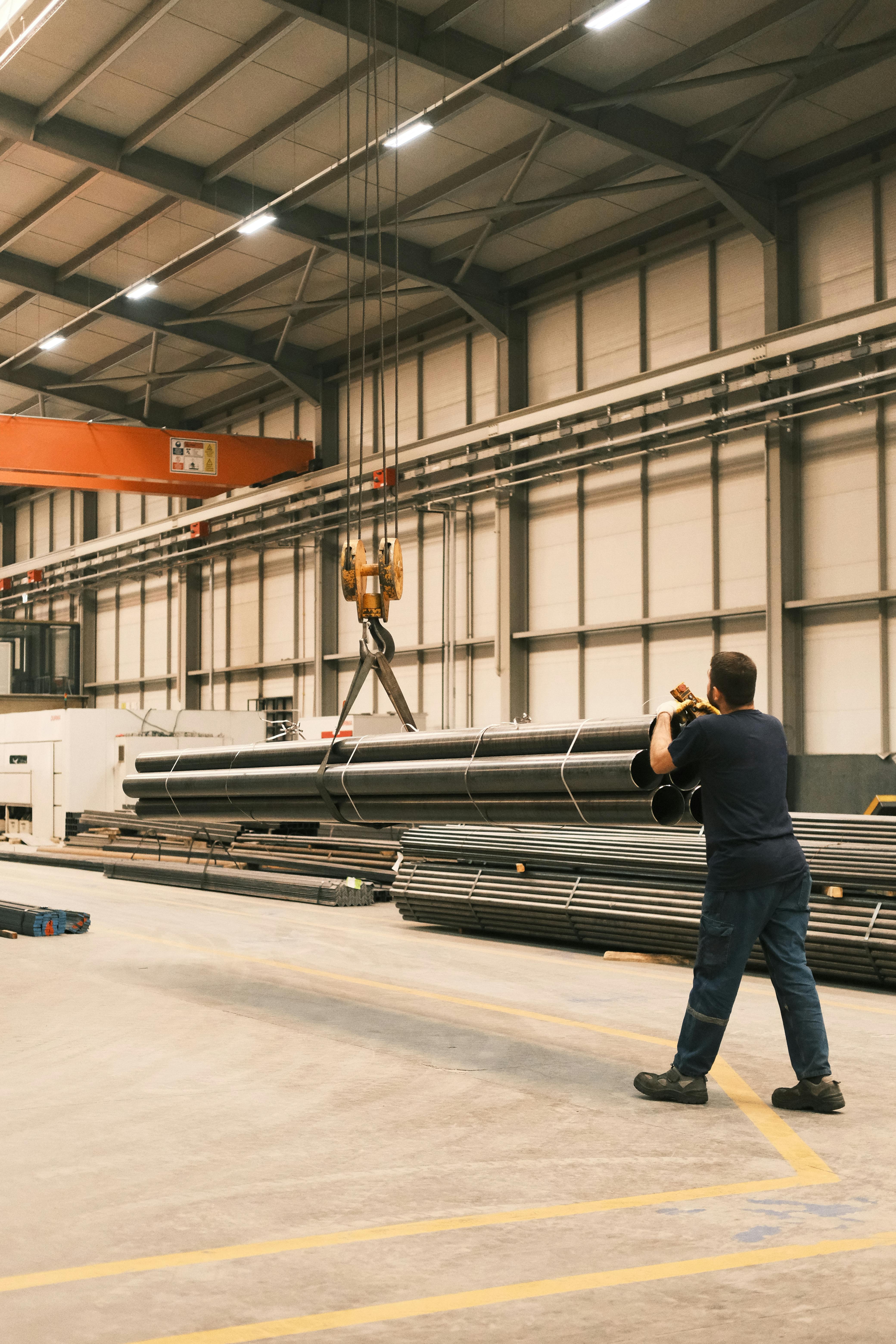
Many industrial and commercial facilities address noise or vibration concerns only after problems emerge (violations, injuries, complaints, or lost productivity), and urgent corrective actions can become disruptive and expensive. Memtech can assist in implementing strategic and proactive programs that deliver long-term benefits, accountability, and compliance.
Left unchecked, excessive noise or vibration can lead to OSHA violations, community complaints, worker fatigue, and expensive retrofits. In addition, poor acoustics can undermine productivity and privacy once buildings are occupied.
By implementing optimum design recommendations in the early phases of a project, we protect people, productivity, and projects, ensuring noise is controlled before it becomes a liability.
Left unchecked, excessive noise or vibration can lead to OSHA violations, community complaints, worker fatigue, and expensive retrofits. In addition, poor acoustics can undermine productivity and privacy once buildings are occupied.
By implementing optimum design recommendations in the early phases of a project, we protect people, productivity, and projects, ensuring noise is controlled before it becomes a liability.
A structured, proactive noise control program:
- Prevents regulatory violations before they occur
- Improves worker comfort and productivity
- Reduces long-term exposure risks and liability
- Optimizes equipment layout and configurations
- Strengthens environmental and community satisfaction outcomes
Common Challenges We Solve.

Overreliance on Hearing Protection PPE
Plants that rely solely on earplugs or earmuffs without addressing noise problems at the source.

Outdated Noise Audit Data
Facilities relying on old surveys, inconsistent dosimetry, or missing records cannot withstand regulatory audits.

Increased Hearing Loss Claims
Rising workers’ comp cases or employee complaints tied directly to uncontrolled and unmanaged noise exposure.

Safety and Communication Risks
High noise levels can mask alarms, warning signals, and verbal communication, increasing the potential for workplace incidents and operational errors.

Ineffective Noise Control Investments
Facilities sometimes invest in acoustic panels or partial fixes that improve room acoustics but do not reduce worker noise exposure, leaving the underlying problem unresolved.

Missed Design Opportunities
Architects and contractors may lack the acoustical expertise to fully consider how materials, layouts, or mechanical systems will impact sound.

Noise control programs
Protect Hearing.
Prevent Claims.
Workplace noise is one of the leading causes of occupational hearing loss, and may be one of the most preventable safety-related issues. Excessive noise exposure remains a major contributor for OSHA citations and long-term health litigation and workers' compensation claims. Memtech helps organizations develop and maintain comprehensive Hearing Conservation Programs that reduce risk, strengthen safety culture, and ensure full regulatory compliance.
OSHA requires employers to implement a Hearing Conservation Program (29 CFR 1910.95) when employee exposures reach or exceed 85 dBA during an 8-hour workday, but compliance alone isn’t enough. Even when meeting the 8-hour minimum noise exposure requirement, excessive noise can still lead to hearing loss claims, reduced productivity, safety incidents, and long-term liabilities.
OSHA requires employers to implement a Hearing Conservation Program (29 CFR 1910.95) when employee exposures reach or exceed 85 dBA during an 8-hour workday, but compliance alone isn’t enough. Even when meeting the 8-hour minimum noise exposure requirement, excessive noise can still lead to hearing loss claims, reduced productivity, safety incidents, and long-term liabilities.
The benefits:
- Regulatory Compliance – Meet OSHA 1910.95 requirements and avoid costly fines, citations, and enforcement actions.
- Worker Health & Safety – Prevent permanent hearing loss, tinnitus, and safety incidents caused by poor communication.
- Risk Reduction – Minimize workers’ compensation claims and lower insurance costs tied to occupational hearing loss.
- Operational Productivity – Improve communication clarity, reduce fatigue, and keep teams focused.
- Defensible Documentation – Compliance-ready reporting that holds up to OSHA inspections, insurer audits, and corporate reviews.
Memtech’s strategic approach ensures your program is not only compliant, but also is strategic toward continuous workplace improvement.
Noise control programs
Map the Noise.
Manage the Risk.
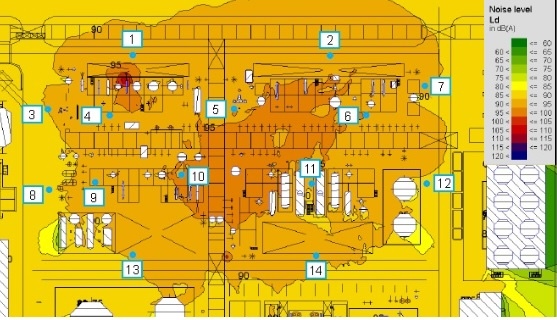
Memtech offers detailed plant noise studies to identify problem areas and guide effective sound control strategies.
A comprehensive noise survey provides actionable data and a path to address major noise contributors.
A comprehensive noise survey provides actionable data and a path to address major noise contributors.
Our plant noise studies help you:
- Document current sound levels and exposure zones
- Identify root causes of high noise areas
- Develop targeted mitigation strategies
- Comply with OSHA, NIOSH, and state requirements
- Improve workplace safety, focus, and morale
We test both standalone machines and systems integrated into larger production lines or test cells.
Improve Workplace Safety, Focus, and Morale
Every survey is tailored to your facility layout, equipment types, and operational concerns.
Our surveys typically include:
Sound Level Mapping
Comprehensive measurements across the facility to create profile maps of ambient noise levels and identify problem areas.
Octave Band Analysis
Pinpointing frequency content to assist in isolation of specific noise sources.
Source Identification
Targeted measurements near specific machines, processes, or other equipment.
Compliance Evaluation
We assess findings against OSHA 1910.95, NIOSH criteria, and local noise ordinances.
Personal Exposure Analysis
Overlay noise dosage data with shift schedules and worker locations to assess compliance risk.
Deliverables
Full-color noise maps and
identification of problem areas.
Executive summary and mitigation priority list
Custom solution recommendations by area or source
Supporting documentation for audits or internal reviews

Noise control programs
Our Approach & Capabilities
Memtech’s noise control program capabilities span industrial, commercial, and institutional environments.
For industry, we conduct OSHA-compliant noise exposure testing, dosimetry, and mapping, paired with engineering controls such as machine enclosures, damping, and isolation systems.
For commercial projects, we provide design-phase acoustic consulting, including 3D modeling of room acoustics, HVAC noise studies, and STC/NRC material specifications.
We coordinate directly with EHS Managers, industrial hygenists, architects, engineers, and contractors to ensure noise control is integrated without disrupting budgets or schedules.
For industry, we conduct OSHA-compliant noise exposure testing, dosimetry, and mapping, paired with engineering controls such as machine enclosures, damping, and isolation systems.
For commercial projects, we provide design-phase acoustic consulting, including 3D modeling of room acoustics, HVAC noise studies, and STC/NRC material specifications.
We coordinate directly with EHS Managers, industrial hygenists, architects, engineers, and contractors to ensure noise control is integrated without disrupting budgets or schedules.
Noise CONTROL PROGRAMS
Our Process
2
Predictive Modeling
Acoustic modeling simulates noise behavior in facilities, construction sites, or from mechanical systems.
4
Integration with Design & Construction
Work with architects and GCs to embed noise control measures into specifications.
6
Program Support
Documentation and training for ongoing monitoring, compliance, and continuous improvement.
1
Baseline Measurement & Risk Assessment
We perform on-site testing to establish noise exposure risks.
3
Engineering Recommendations
Design/build specifications for enclosures, barriers, isolation, or absorptive treatments.
5
Implementation & Validation
Post-installation testing to confirm noise levels meet standards and client intent.

Comprehensive Offerings
Our programs and support align with OSHA, NIOSH, and ANSI standards.
Baseline & Annual Audiometric Testing
We help set up, manage, or refer employees to qualified audiometric screening providers.
Noise Exposure Testing & Risk Mapping
Using personal dosimeters and other instrumentation, we identify worker-risk levels and root-cause noise contributors.
Hearing Protection Device (HPD) Selection
Not all earplugs are equal. We match employees with the right hearing protection based on fit, frequency profile, job role, and comfort.
Training & Employee Education
We deliver OSHA-compliant annual training that teaches employees how noise affects hearing, how to use HPDs properly.
Program Documentation & Recordkeeping
We create and maintain all required data per legal requirements including test logs, exposure results, training rosters, and written program materials.
Engineering & Administrative Controls
Where possible, we recommend ways to reduce noise at the source or through employee scheduling and rotation, not just PPE.
Recurring Testing & Program Evaluation
Scheduled reassessments, trend analysis, and compliance records to maintain momentum and adapt as conditions evolve.

NOISE CONTROL PROGRAMS
How We Can Help
Our capabilities include personal noise dosimetry, area noise mapping, octave-band analysis, and long-term data logging to quantify exposure. We assist with audiometric testing coordination, provide customized training sessions for workers and supervisors, and develop written program documentation to satisfy OSHA requirements.
Beyond basic compliance, we engineer noise control solutions such as machine enclosures, acoustic barriers, absorptive panels, and isolation systems that reduce exposure levels at the source.
All deliverables include compliance-ready documentation, data, and integration into your EHS management systems.
Beyond basic compliance, we engineer noise control solutions such as machine enclosures, acoustic barriers, absorptive panels, and isolation systems that reduce exposure levels at the source.
All deliverables include compliance-ready documentation, data, and integration into your EHS management systems.



Why Choose Memtech Acoustics?

Certified and Licensed Professionals
Every project is guided by acoustical engineering expertise, not guesswork.

National Standards Alignment
Our products follow IBC, ASTM E90 / ASTM E413 / ASTM C423, NFPA 80 & NFPA 285, and AASHTO Design Guide Specifications.

Turnkey, Full-Service Delivery
One partner for assessment, engineering, sourcing, and installation* from concept to compliance.
High Responsiveness, Proven Track-Record
Fast mobilization, accurate timelines, and dependable project execution.

Trusted Local Partner, On-Demand Support
Michigan-based with regional reach and national, or international, shipping capabilities.
*Shipping available across continental USA and international; installations are offered in select regions.
Frequently Asked Questions (FAQs)
What is a noise control program?
A structured, proactive system for measuring, managing, and mitigating noise in industrial and commercial environments. It combines testing, engineering controls, and ongoing monitoring to protect workers and ensure compliance.
When is a Hearing Conservation Program required?
OSHA requires an HCP when employee noise exposures reach or exceed 85 dBA TWA over an 8-hour shift, as determined by dosimetry or ambient surveys.
What is a 'Plant Noise Study'?
A detailed assessment grounded in BS 4142 methodology that measures background and equipment noise, rates the impact, models propagation, and recommends mitigation to meet planning and environmental standards.
Can you provide documentation for regulators or clients?
Yes. We provide certified reports suitable for OSHA inspections, insurance audits, client deliverables, or municipal hearings.
What’s included in your noise control program?
Baseline noise measurement, predictive modeling, design/build recommendations, implementation support, and validation testing. Programs also include documentation and training to support long-term compliance.
How is this different from one-time noise testing?
One-time testing only tells you where you are today. A noise control program is ongoing and proactive, designed to catch risks before they escalate, integrate solutions into facility design, and support compliance year after year.
Do you provide the audiometric testing directly?
We coordinate with certified audiometric providers to ensure testing is completed and documented properly. Our role is to integrate this into a complete program and ensure it aligns with measured exposure data.
How often must noise exposure monitoring be repeated?
Whenever a change in processes, equipment, or controls could affect exposure levels. Many employers perform annual monitoring as best practice.
Can engineering controls be integrated into an HCP?
Yes. OSHA encourages engineering and administrative controls as the primary method of noise reduction, with PPE as a secondary safeguard. Memtech specializes in designing and implementing these controls.
Let’s Engineer the Right Solution, Together.

Let's Get Started. Contact Us.
Talk to our experts. We’ll assess your needs and recommend a solution that works for your project.